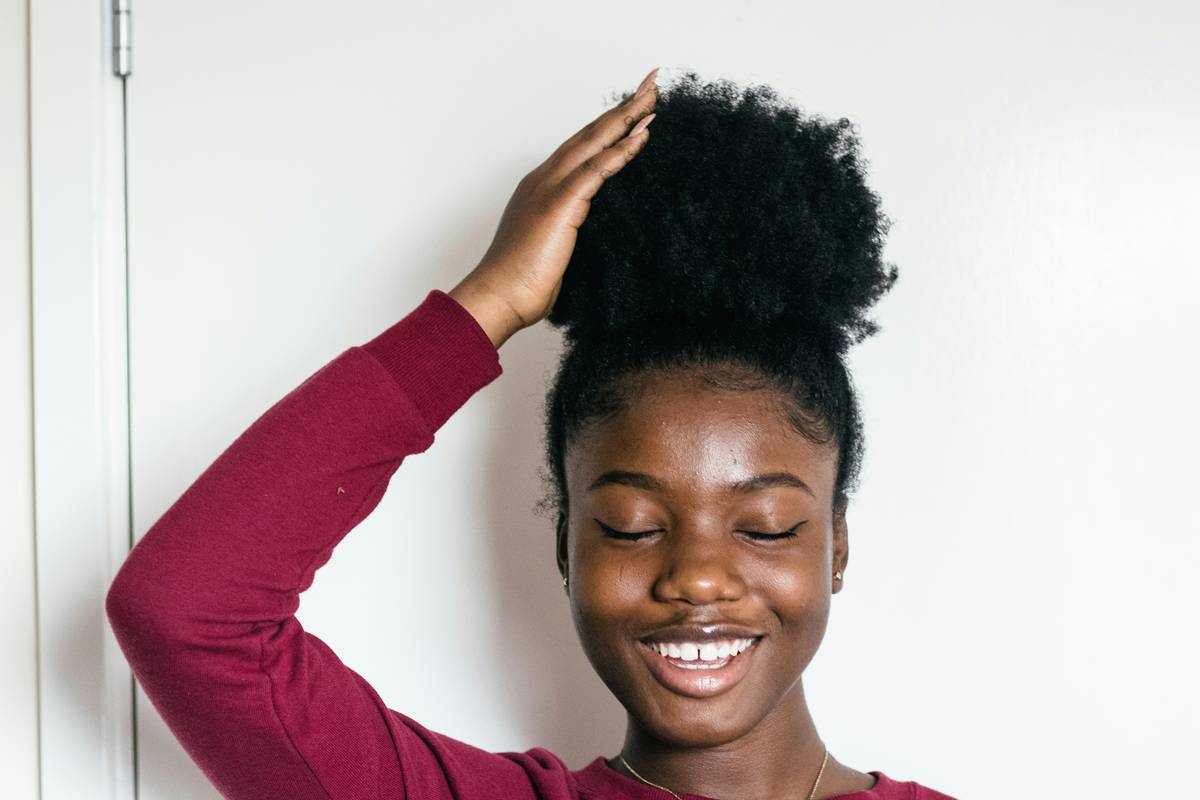
Your edges are vanishing. Not dramatically—just a slow fade you notice every time you part your hair or pull it back. Tight braids, glue-heavy wigs, even “protective” styles done wrong—they all yank at the most fragile strands on your scalp. And once baby hairs thin? Recovery takes months, sometimes years. But what if your go-to style could look polished *and* give your hairline breathing room? Enter hair twists styled with one non-negotiable rule: Safe for Edges.
Why Most “Protective” Twists Aren’t Protecting Anything
Tension is invisible—until it’s too late. You think you’re being gentle because you’re not using heat or chemicals. But constant pulling at the root? That’s traction alopecia in disguise. Many twist tutorials start with cornrows or tight base braids to “anchor” the style. Bad move. Those anchor points bear relentless stress every time you turn your head, sleep, or tug a scarf loose.
And salon pros? Some still swear by the “tighter is neater” myth—especially around the perimeter. They’ll tighten until your scalp tingles. That’s not neat. That’s damage disguised as discipline.
How to Create Hair Twists That Are Truly Safe for Edges
Forget everything you’ve seen on TikTok reels with razor-sharp parts and taut spirals hugging the hairline. Real edge-safe twisting starts before you even touch a comb.
Prep Like a Pro (Not a Passenger)
Wash with a sulfate-free cleanser. Deep condition. Then—this is key—apply a lightweight leave-in *and* a scalp oil blend (think rosemary + jojoba). Hydrated hair stretches; dry hair snaps. Never twist on bone-dry or soaking-wet strands. Damp is the sweet spot.
Section Strategically—Not Symmetrically
Ditch the ruler-straight parts. Use your fingers to create uneven, organic sections near the front. Smaller twists near the crown? Fine. But along the hairline? Go slightly larger and looser. No tension should be felt when you gently shake your head side to side.
Twist Technique Matters More Than Product
Two-strand twists only—at least for your first 2 inches from the scalp. Rope twists or Senegalese add weight that pulls downward. Keep your twisting motion smooth, not forceful. If your wrist hurts after five twists, you’re pulling too hard.
| Styling Method | Edge Safety Rating | Longevity | Best For |
|---|---|---|---|
| Tight Base Cornrows + Extensions | ★☆☆☆☆ (High Risk) | 4–6 weeks | Never—for edges |
| Finger-Parted Loose Twists (Natural Hair Only) | ★★★★★ (Safe for Edges) | 7–10 days | Daily wear, sensitive scalps |
| Loose Twist-Out with Satin Scarf Finish | ★★★★☆ (Mostly Safe) | 5–7 days | Volume + definition without tension |
| Glueless Wig with Pre-Twisted Capsule (Edge Exposed) | ★★★☆☆ (Conditionally Safe) | 2–3 weeks | Low-manipulation rest periods |

The Industry Secret: Edges Don’t Need Coverage—They Need Air
Here’s what top trichologists whisper but few stylists admit: your edges thrive on movement, not immobilization. Covering them 24/7 under lace fronts or tightly wrapped scarves suffocates follicles. Oxygen matters. Blood flow matters. A style labeled “protective” that glues your baby hairs flat for weeks isn’t protection—it’s preservation via suffocation.
Instead, leave the first ½ inch of your hairline *completely free*. Let those delicate strands float. Style twists starting just behind that zone. Yes, it might look “messier” on camera—but real health never looks like a filter. Think about it: lions don’t have receding hairlines. Their manes move. Yours should too.
Frequently Asked Questions
Can I still get defined curls if my twists are loose near the edges?
Absolutely. Use a satin bonnet overnight—not a scarf tied tight. The twist pattern sets while you sleep without added pressure.
How often should I redo edge-safe twists?
Every 7–10 days max. Beyond that, buildup and natural shedding create hidden tension. Refresh early.
Are clip-in twists Safe for Edges?
Only if clips aren’t placed within 1 inch of your hairline. Even then, wear for under 8 hours. Never sleep in them.