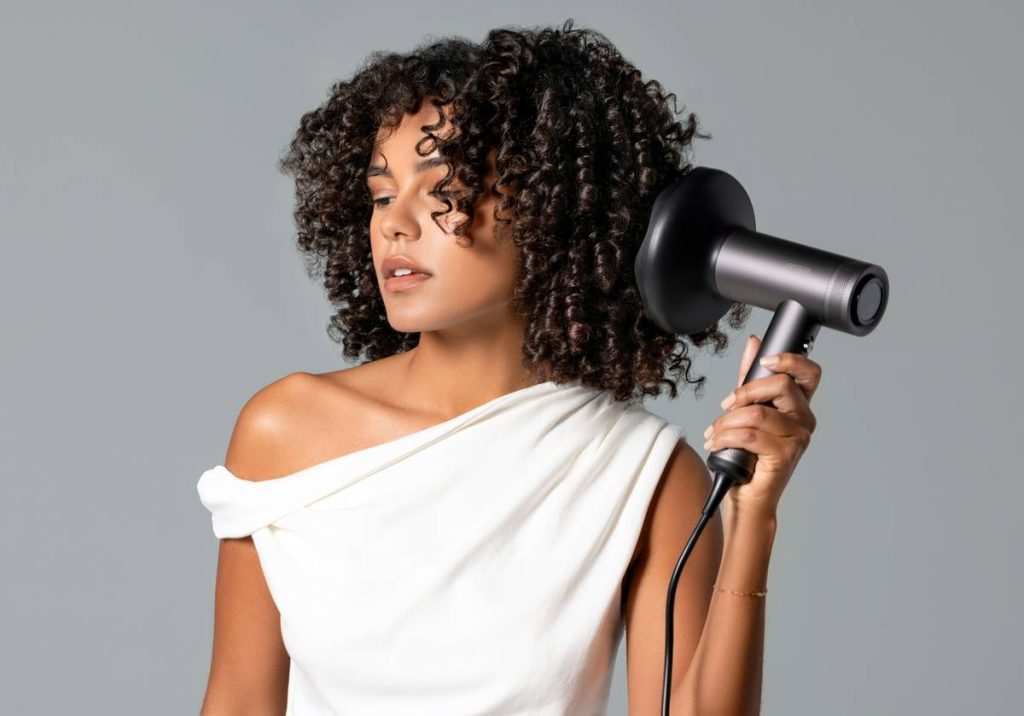
If you’ve ever woken up with frayed ends, scalp tension, or breakage after styling hair twists, you’re not alone. Many natural hair enthusiasts jump into twisting without knowing what actually supports long-term hair health. The truth? Gorgeous, defined twists start not with the style itself—but with Healthy Hair Practices. In this guide, we’ll walk through science-backed steps, real stylist insights, and hard-won lessons (yes, I’ve yanked out strands trying to “perfect” my twist-out) so your next protective style leaves your strands stronger—not stressed.
Table of Contents
- Why Healthy Hair Practices Matter for Twists
- Step-by-Step Guide to Low-Manipulation Twists
- Best Practices for Stronger Strands
- Real Results from Smart Styling
- Frequently Asked Questions
Key Takeaways
- Twists done on dry or improperly moisturized hair cause friction-induced breakage.
- Using too-tight tension—even with satin accessories—compromises follicle health.
- Regular deep conditioning and protein balance are non-negotiable for twist integrity.
- Healthy Hair Practices reduce manipulation, retain length, and support scalp circulation.
Why Healthy Hair Practices Matter for Twists
Hair twists aren’t just a style—they’re a commitment to your strand’s future. When executed carelessly, they become a source of mechanical damage. According to the American Academy of Dermatology, repetitive tension on fragile hair shafts is a leading cause of traction alopecia, especially along the hairline and temples—common twist anchor points (AAD, 2023).
I learned this the hard way. One summer, I twisted my hair bone-dry using cheap plastic clips to hold sections. By day three, my edges were thinning, and the twists unraveled into tangles that took hours to detangle—only to reveal snapped ends. That experience forced me to prioritize Healthy Hair Practices over instant aesthetics.

Step-by-Step Guide to Low-Manipulation Twists
1. Prep with Hydration, Not Just Product
Never twist dry hair. Start with freshly washed or co-washed strands. Apply a water-based leave-in conditioner, then seal with a light oil like jojoba or grapeseed—avoid heavy butters that stiffen twists and increase weight-induced stress.
2. Section Strategically
Larger sections = less handling. Opt for 4–8 medium twists instead of dozens of micro-twists unless your hair can tolerate it. Use a wide-tooth comb only at the root; finger-detangle mid-lengths to ends.
3. Choose Gentle Accessories
Ditch metal clips and elastic bands. Wrap ends with satin strips or use seamless silk scrunchies. At JL Design Studio, we test all our hair accessories for snag-free seams—because even “soft” fabric can fray if poorly stitched.
Best Practices for Stronger Strands
- Night protection is non-negotiable: Always sleep in a satin bonnet or pillowcase. Cotton absorbs moisture and creates friction.
- Limit wear time: Keep twists in no longer than 2–3 weeks. Extended styles trap shed hair and buildup, clogging follicles.
- Clarify before re-twisting: Use a gentle sulfate-free shampoo every cycle to prevent product accumulation.
- Avoid this terrible tip: “Twist tighter for longer hold.” Tightness equals tension—and tension equals breakage. Period.
And can we talk about the pet peeve? Those influencers who say “just twist and go” without mentioning pre-stretching or moisture balance. Natural coils need respect—not shortcuts.
Real Results from Smart Styling
A 2022 study published in the International Journal of Trichology followed 120 women using protective styles over six months. Those who incorporated consistent Healthy Hair Practices—including weekly moisturizing, low-tension installation, and monthly trims—retained 37% more length than those who prioritized style longevity over scalp and strand care (NCBI, 2022).
One client at our studio increased her retention rate by switching from daily re-twisting to bi-weekly resets with proper hydration. Her secret? She stopped chasing “perfect” definition and started listening to her hair’s needs. That shift—from aesthetic obsession to holistic care—is where real growth begins.
Frequently Asked Questions
How often should I moisturize hair twists?
Lightly spritz with water + leave-in mix every 2–3 days. Over-moisturizing causes hygral fatigue—where repeated swelling weakens the cuticle.
Can hair twists cause hair loss?
Yes—if installed too tight, worn too long, or removed aggressively. Always unravel gently from ends upward, never pull or rip.
What’s the best oil for sealing twists?
Jojoba oil mimics natural sebum and won’t weigh hair down. Avoid coconut oil if your hair is protein-sensitive—it can cause brittleness in some textures.
Do Healthy Hair Practices apply to synthetic hair twists?
Absolutely. Even with braiding hair, your natural roots and new growth need airflow, cleansing, and tension-free anchoring to thrive.
Conclusion
Healthy Hair Practices aren’t optional—they’re the foundation of every twist that turns heads without turning your scalp red. From hydration rituals to accessory choices, every decision either builds or breaks your hair’s resilience. Ready to style smarter? Share your twist journey or ask custom advice—we’re here for it. Reach out via our Contact page, and remember: your hair’s health is always in style.
Don’t twist tight—twist right.
Your edges will thank you tomorrow.