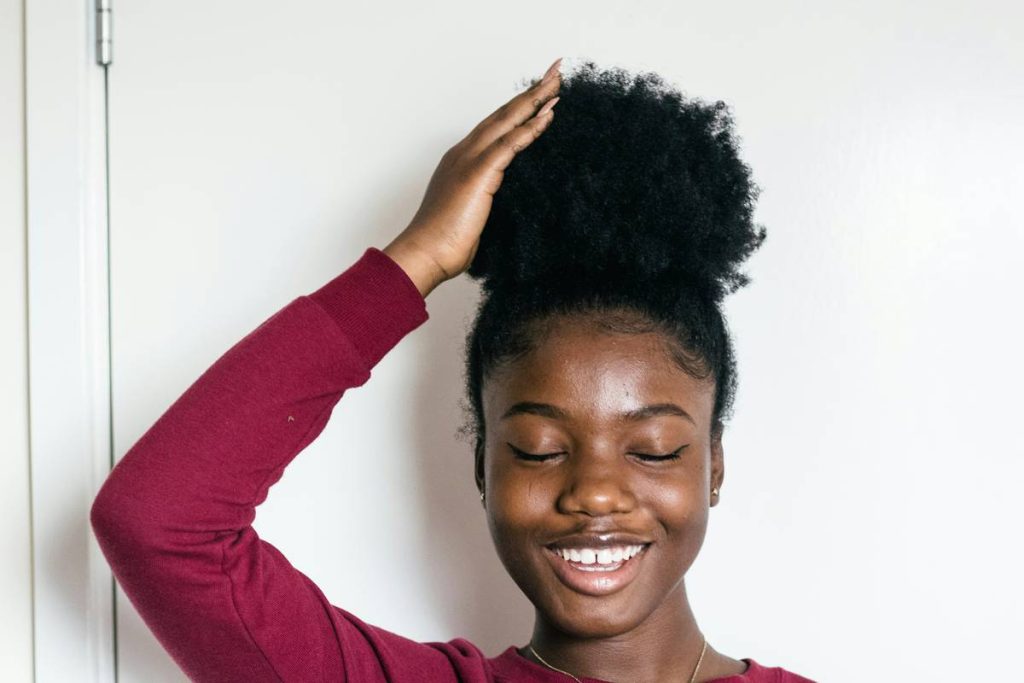
You love protective styles—but your edges are screaming. Tight braids, tugged ponytails, and over-manipulation leave you with thinning hairlines and frayed ends. It’s not just uncomfortable; it’s actively damaging your follicles. The solution isn’t fewer styles—it’s smarter tension. Enter Minimal Tension hair twists: a low-stress approach that protects your strands while looking effortlessly chic.
Why Most Hair Twists Backfire (Even the “Protective” Ones)
Many stylists—and DIY tutorials—mistake tightness for longevity. Pull harder, they say, so it lasts longer. But tensile stress on the hairline and scalp triggers traction alopecia. Fast.
Here’s the reality: hair doesn’t need punishment to hold shape. It needs structure + slack. And most twist methods ignore the biomechanics of curly and coiled textures—especially at the root. Over time, constant micro-trauma leads to miniaturized follicles. No amount of castor oil fixes that.
How to Create True Minimal Tension Hair Twists—Step by Step
Forget YouTube hacks that yank your baby hairs into submission. This method prioritizes scalp comfort and fiber integrity—without sacrificing hold.
Select Low-Manipulation Sections
Part hair into large, irregular sections—not neat squares. Smaller parts = more tension points. Go big. Think 1.5 to 2 inches wide. Your scalp will thank you.
Pre-Stretch Without Heat
Stretch damp hair using banding or twist-outs overnight—not flat irons. Heat weakens keratin bonds. Gentle elongation = less tugging during twisting.
Twist with Slippage in Mind
Apply a light grip near the root—just enough to anchor. Then let your fingers glide as you coil downward. If you feel resistance, you’re pulling too hard. Seriously. Stop.
| Method | Tension Level | Hold Duration | Breakage Risk |
|---|---|---|---|
| Traditional Two-Strand Twist (tight root) | High | 7–10 days | High |
| Minimal Tension Twist (loose root, stretched hair) | Low | 8–12 days | Very Low |
| Micro-Twists (small sections, high density) | Extreme | 5–7 days | Critical |
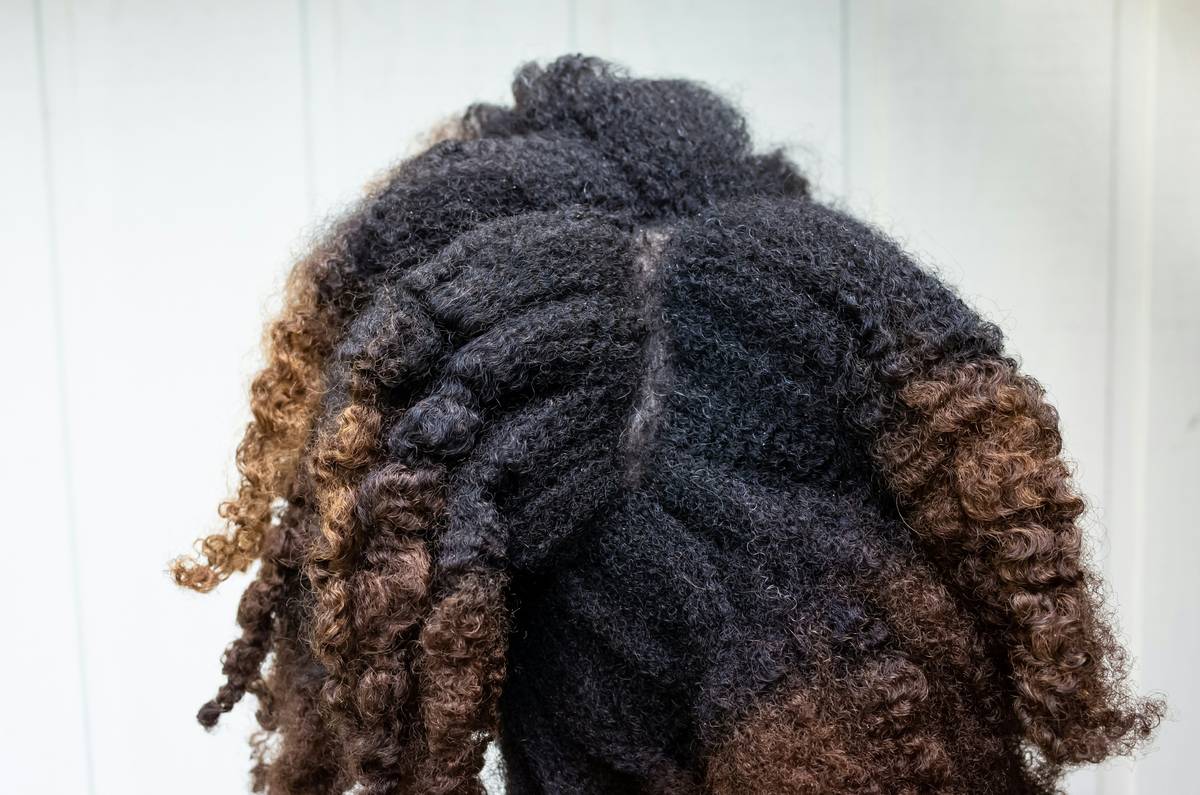
The Industry Secret: Tension Isn’t About Grip—It’s About Weight Distribution
Most stylists focus on how tightly they twist. Wrong metric. The real culprit? Poor weight management.
Heavy products, long extensions, or overly saturated hair pool downward—dragging on the root like an anchor. That’s why your twists slip out fast or hurt by day two. Distribute mass evenly: use lightweight creams (not butters), avoid end-heavy extensions, and never twist soaking-wet hair. Damp = ideal. Wet = disaster.
But here’s what salons won’t tell you: sometimes, slightly looser twists at the crown last longer than death-grip styles. Airflow matters. Scalp health matters more.
Frequently Asked Questions
Can Minimal Tension twists work on fine or straight hair?
Absolutely—if you pre-texturize with sea salt spray or mousse. The key is reducing slippage without adding mechanical stress. Use a soft-hold gel, not glue-like adhesives.
How often should I redo Minimal Tension twists?
Every 10–14 days max. Even low-tension styles cause buildup. Give your scalp 48 hours bare before re-twisting to prevent follicle suffocation.
Do I need special tools for Minimal Tension styling?
Nope. Just your fingers, a wide-tooth comb, and a satin scarf. Skip rattail combs—they create unnecessary focal points of pressure.