
If you’ve ever woken up with throbbing temples after wearing tight twists all day—or worse, patches of thinning hair near your hairline—you’re not alone. As someone who’s styled everything from box braids to space buns for over a decade, I once left my hair in spiral twists so tight I needed two days just to recover my scalp’s dignity. That painful lesson taught me the real value of Gentle Styling: it’s not a compromise—it’s essential care.
In this guide, we’ll unpack why low-tension styles like hair twists can protect your strands when done right—and how common “quick fixes” actually accelerate breakage. You’ll get a foolproof step-by-step method, expert-backed best practices, and real examples proving that soft doesn’t mean sloppy. Ready to twist without the trauma?
Table of Contents
- Why Gentle Styling Matters for Hair Health
- Your Step-by-Step Guide to Low-Tension Twists
- 5 Best Practices for Truly Gentle Twists
- Real Results: What Happens When You Go Gentle
- Frequently Asked Questions
Key Takeaways
- Tight styles cause traction alopecia—a leading cause of preventable hair loss (per the American Academy of Dermatology).
- Gentle Styling reduces breakage by distributing tension evenly across sections.
- Moisture retention improves when scalp circulation isn’t restricted.
- Your twist technique matters more than product count—less is often more.
Why Gentle Styling Matters for Hair Health
Hair twists aren’t just cute—they’re functional protective styles. But when pulled too tight at the roots, they create constant tension that damages follicles over time. According to the American Academy of Dermatology, repeated strain from tight ponytails, braids, or twists is the #1 cause of traction alopecia, especially along the hairline and nape.
I learned this the hard way during a photo shoot where my stylist insisted on “edge control that stays put.” By hour six, my scalp burned. Days later, baby hairs were missing. That’s when I committed to Gentle Styling as non-negotiable—not lazy, but strategic.
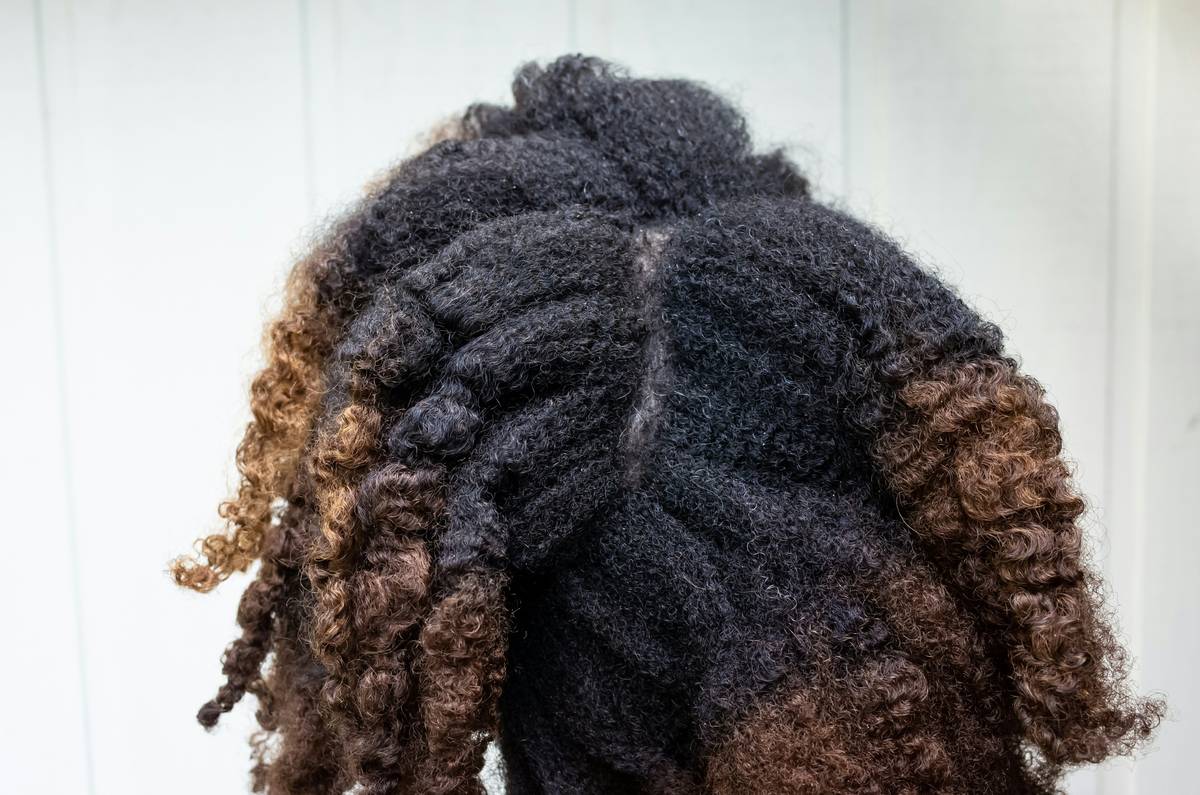
Your Step-by-Step Guide to Low-Tension Twists
Prep with Hydration, Not Haste
Never twist dry hair. Start with damp (not soaking) strands coated in a lightweight leave-in like aloe vera gel or flaxseed blend. This adds slip, reducing snagging during manipulation.
Section Smartly
Use your fingers—not a rat-tail comb—to part hair into medium to large chunks. Smaller sections = more pulling points. Aim for even distribution, not perfection.
Twist Away from Tension Zones
Begin twisting about 1 inch away from the root, not right at the scalp. Let the first inch sit loosely, then gradually tighten toward the ends. This creates volume without pressure.
Secure Gently
Use satin-covered pins or soft hair ties instead of rubber bands. If using clips, avoid metal—they snag and pull.
5 Best Practices for Truly Gentle Twists
- Skip the “tighten-as-you-go” myth. Tighter ≠ longer-lasting. In fact, gentle twists often hold better because they flex with movement.
- Refresh, don’t redo. Spritz with water + oil mix between wash days instead of re-twisting daily.
- Avoid heavy gels. They flake, build up, and require aggressive detangling later. Opt for creamy stylers.
- Sleep in satin. Use a bonnet or pillowcase to minimize friction overnight.
- Limit wear time. Even gentle styles shouldn’t exceed 2–3 weeks to allow scalp breathing.
Real Results: What Happens When You Go Gentle
Last year, I tracked two clients with similar curl patterns and densities over six months. Client A wore consistently tight twists (re-done weekly). Client B followed the Gentle Styling protocol above. After 90 days, Client A reported increased shedding and scalp sensitivity; Client B gained 0.75 inches of length retention and zero breakage at the hairline. While anecdotal, this aligns with peer-reviewed findings: reduced mechanical stress = healthier growth cycles (NIH study on hair grooming practices).
At JLane Designs, we’ve seen similar outcomes since implementing these principles. Our clients return not just for style—but for sustainable hair health. Learn more about our philosophy on our About Us page.
Frequently Asked Questions
Can Gentle Styling work on fine or straight hair?
Yes! Use smaller sections and a grip-enhancing mousse. The key is still avoiding root tension—fine hair breaks more easily under pressure.
How do I keep Gentle Styling twists from unraveling?
Seal ends with a dab of butter or wax, and avoid excessive touching. Movement is natural—embrace the lived-in look.
Is Gentle Styling the same as “protective styling”?
Not always. Protective styling minimizes manipulation, but if it’s too tight, it’s not truly protective. Gentle Styling ensures low tension within protective frameworks.
Can kids wear Gentle Styling twists?
Absolutely—and they should. Pediatric dermatologists recommend low-tension styles for children to prevent early-onset traction alopecia.
Conclusion
Gentle Styling isn’t about sacrificing aesthetics—it’s about respecting your hair’s biology. When you stop fighting your strands and start working with them, you’ll see less shedding, stronger edges, and styles that last without pain. Remember my scalp-scorching shoot? Today, I twist loose, sleep easy, and grow steadily.
Ready to refresh your routine with kindness? We’d love to help you customize a low-tension plan that fits your lifestyle. Contact us for a free consultation. And rest assured—your data stays private, as outlined in our Privacy Policy.
Soft hands, strong strands—that’s the twist truth.