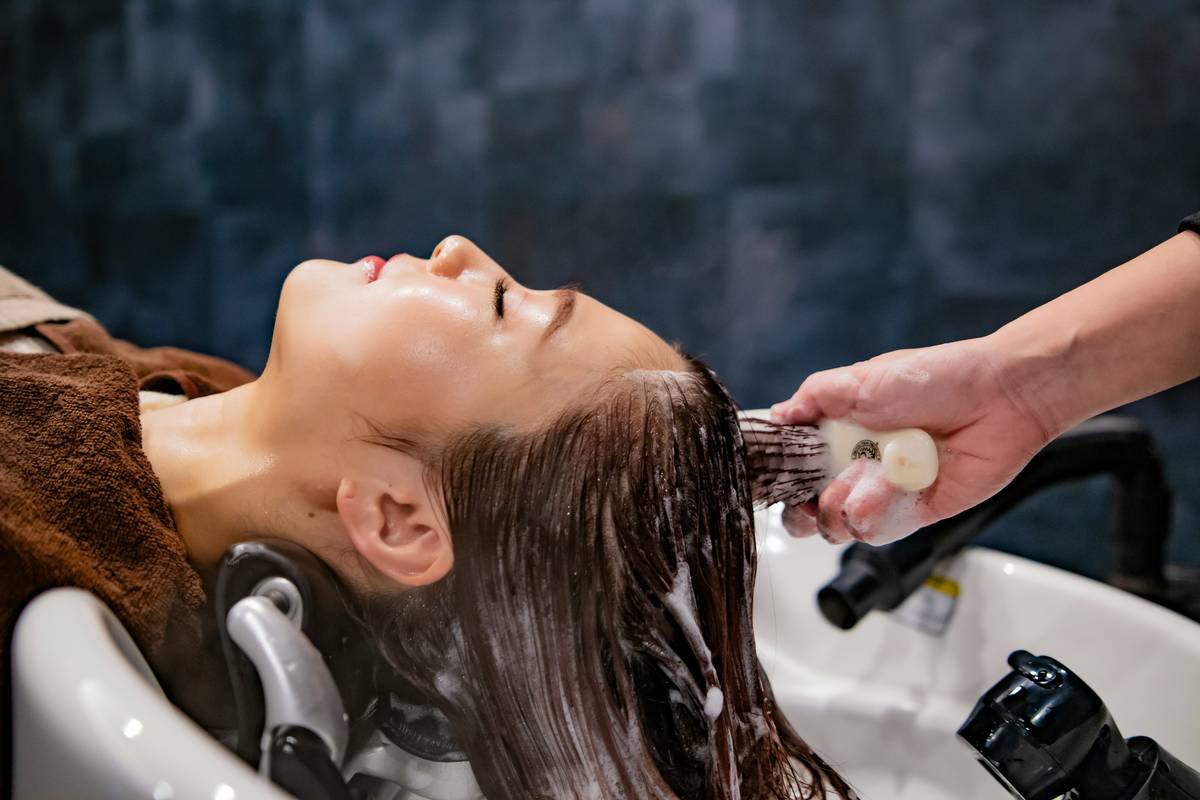
Most hair twists promise protection—but end up pulling, itching, or triggering flaking within days. You’re left choosing between style and scalp health. Here’s the truth: not all twists are created equal. A truly Scalp-Friendly twist doesn’t just look good—it nurtures your foundation while giving you effortless, low-maintenance volume.
Why Traditional Twists Fail Your Scalp
Many stylists prioritize tightness over tension balance. They crank roots down to “hold the shape.” But excessive torque on the follicle = inflammation, micro-tears, and eventually, traction alopecia. And it’s not just about tightness—cheap synthetic fibers wick moisture away from your scalp, while coarse textures create friction with every head turn. Your scalp isn’t concrete. It’s living tissue that breathes, sweats, and needs airflow. Ignore that, and even the most intricate twist pattern becomes a slow-burn irritant.
How to Install & Maintain Scalp-Friendly Hair Twists
The goal? Secure hold without suffocation. Here’s how professionals do it—without the guesswork.
Select the Right Fiber
Opt for smooth, moisturizing-friendly extensions like Kanekalon or human hair blends. Avoid rough, matte synthetics—they snag natural hairs and abrade the scalp surface. Lightweight is key. Heavy bundles increase gravitational pull, forcing tighter roots to compensate.
Section Strategically—Not Symmetrically
Symmetry looks neat on Instagram—but real heads aren’t perfectly round. Adjust part sizes based on your scalp’s natural tension zones (usually tighter at temples, looser at nape). Smaller sections where hair density is high; slightly larger where it’s thin. This evens out stress distribution.
Palm-Roll, Don’t Wrap-Tight
Use your palm to roll—not your fingers pinching tightly at the root. The twist should grip via fiber friction, not scalp compression. If you see red rings forming post-install? Undo it. Immediately.
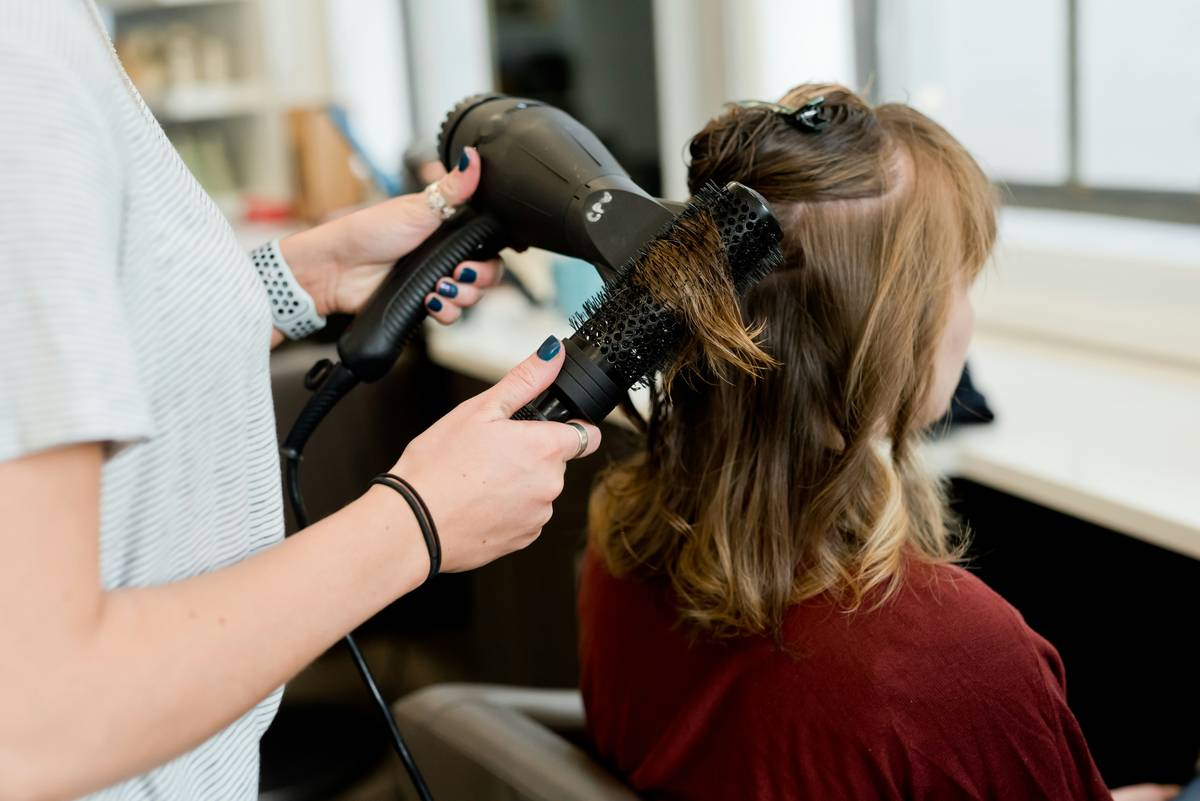
| Method | Tension Level | Scalp Impact | Longevity |
|---|---|---|---|
| Traditional Two-Strand (tight wrap) | High | Irritation, dryness, possible breakage | 2–3 weeks (with discomfort) |
| Scalp-Friendly Palm-Roll | Low-Moderate | Minimal friction, retains moisture | 4–6 weeks (comfortable) |
| Coil Extensions (no base twist) | None | Zero tension—but less secure | 1–2 weeks |
Nourish Without Drowning
Spray-based moisturizers (water + glycerin + light oil) are better than thick creams that cake at the base. Apply only to mid-lengths and ends. Your scalp gets hydration from sweat and sebum—over-moisturizing traps bacteria.
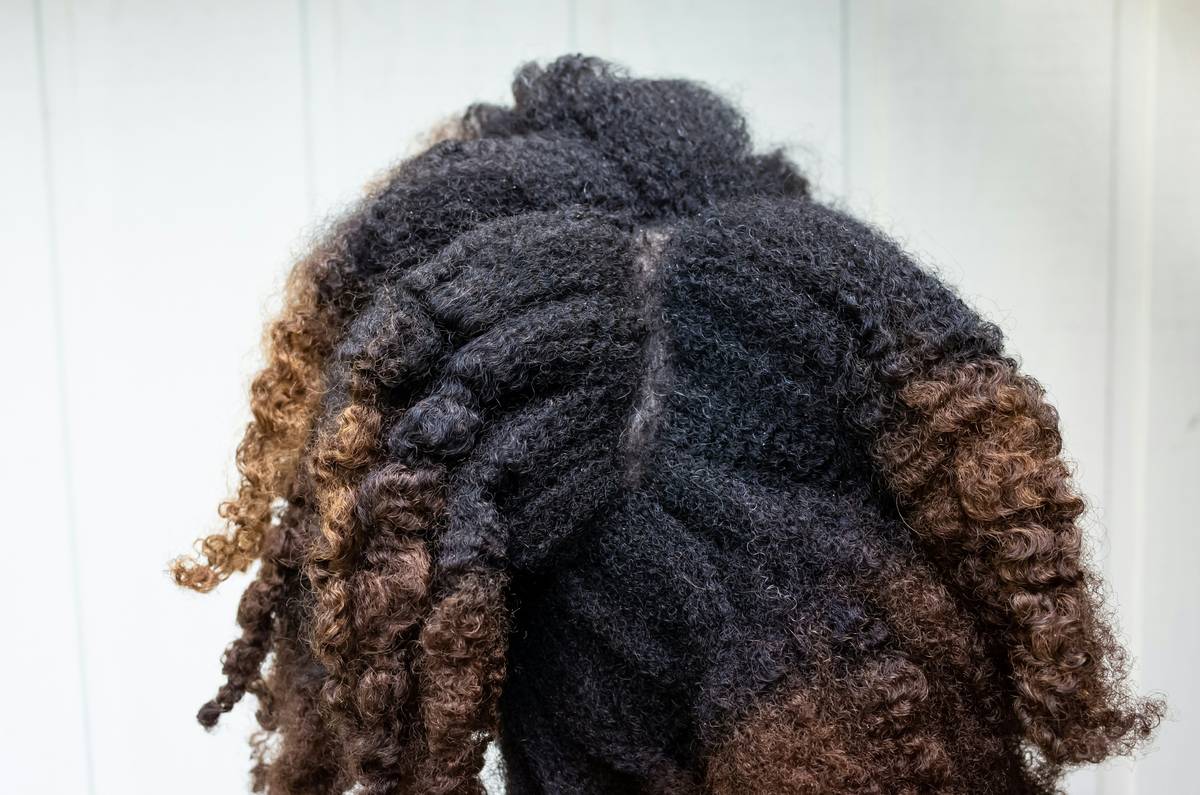
The Industry Secret: Pre-Stretching Extensions Isn’t Optional
Here’s what salons won’t tell you: un-stretched Kanekalon has memory—it wants to curl back. When braided taut, that latent tension pulls on your roots 24/7. The fix? Pre-stretch every strand with warm water or a steamer. It takes 10 extra minutes but eliminates ghost tugging you never consciously notice—until your edges thin. Also, never install on freshly washed hair. Slightly dirty (day 2) hair provides natural grip without needing aggressive anchoring. Clean hair = slippery = tighter twists. Counterintuitive, but true.
Frequently Asked Questions
Can Scalp-Friendly twists cause itching?
No—if installed correctly. Itching usually signals trapped product buildup or allergic reaction to fiber coating. Rinse with diluted apple cider vinegar weekly to maintain pH balance.
How often should I oil my scalp with twists in?
Only if flaking appears. Over-oiling clogs pores. Use jojoba or squalane—never heavy butters. Apply with a dropper directly to visible skin, not the twist base.
Are Scalp-Friendly twists suitable for fine hair?
Absolutely. In fact, fine textures benefit most—they’re prone to breakage from tension. Use smaller sections and ultra-lightweight fibers to prevent slippage without strain.