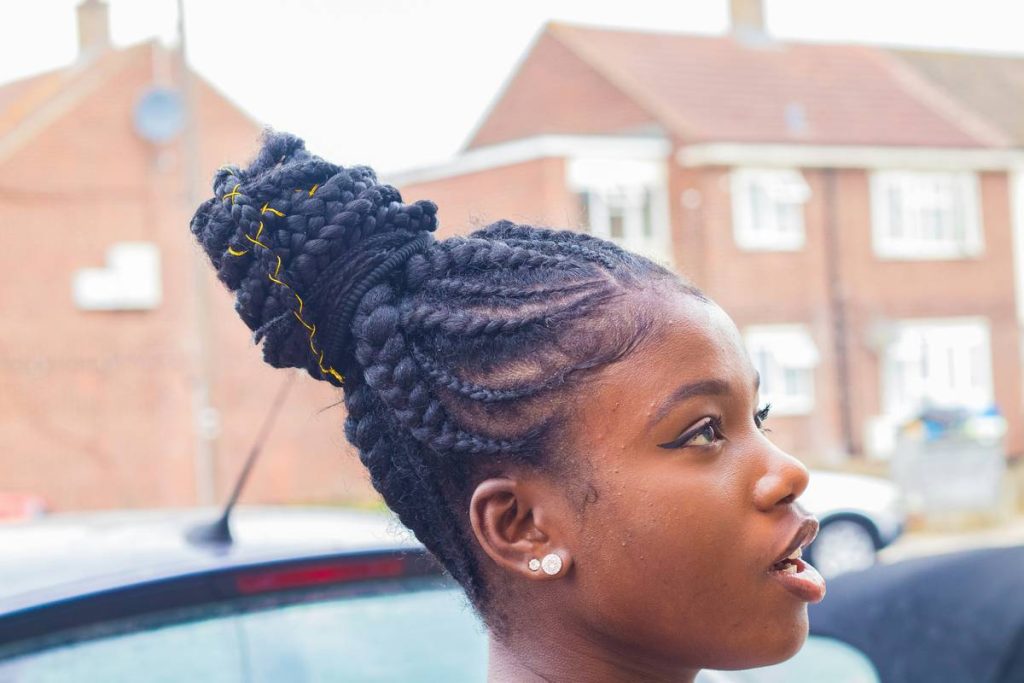
You twist your hair at night—only to wake up looking like a static-charged dandelion. The edges are fuzzy, the ends puff out, and that sleek definition you worked for? Gone. This isn’t just bad luck. It’s physics meeting friction—and most tutorials ignore it entirely. But there’s a method that flips the script and delivers Frizz-Free Results consistently, even in humidity.
Why Most Hair Twists Turn Into Frizz Bombs
Conventional wisdom says “twist on dry hair” or “use coconut oil.” That’s outdated. Dry hair lacks elasticity—it snaps instead of stretches, creating micro-tears that invite frizz. And heavy oils? They sit on top, masking damage while doing nothing to seal the cuticle.
Here’s the reality: frizz isn’t about moisture alone. It’s about **tension control**, **fiber alignment**, and **barrier integrity**. Natural curls have raised cuticles by design. When twisted without proper preparation, those cuticles catch, lift, and rebel against neighboring strands. The result? A halo of chaos.
Step-by-Step Guide to Truly Frizz-Free Results
Forget “just add water.” Precision matters more than product quantity.
Start on Damp—Not Wet, Not Dry
Twist when hair is 70% dry. Too wet = elongated drying time = prolonged swelling = cuticle disruption. Too dry = brittle manipulation. Use a microfiber towel to squeeze—not rub—excess water.
Layer Your Products Strategically
Apply a lightweight leave-in first (water-based, glycerin-free if you’re in high humidity). Then, seal with a pea-sized amount of satin-finish butter—not oil. Oils don’t “seal”; they coat. Butters with shea and cupuacu actually bond to keratin, locking strands in alignment.
Twist Direction & Tension Technique
Always twist in the direction of your curl pattern’s natural coil. Counter-twisting creates internal stress. And keep tension even—no pulling at the root, no slack at the tip. Think of it like tuning a guitar string: consistent pitch from base to end.
| Method | Frizz Risk | Drying Time | Longevity (Days) |
|---|---|---|---|
| Twist on soaking wet hair | High | 8–12 hrs | 1–2 |
| Twist on 70% damp hair + layered products | Low | 4–6 hrs | 4–5 |
| Twist on dry hair with oil only | Very High | N/A | 1 |
Secure Without Sacrificing Shape
Never use rubber bands—they kink and stretch fibers. Opt for silk scrunchies or flexi-rods at the ends only if needed. Better yet: let the twist’s own weight hold its form.
The Industry Secret: The “Cuticle-First” Mindset
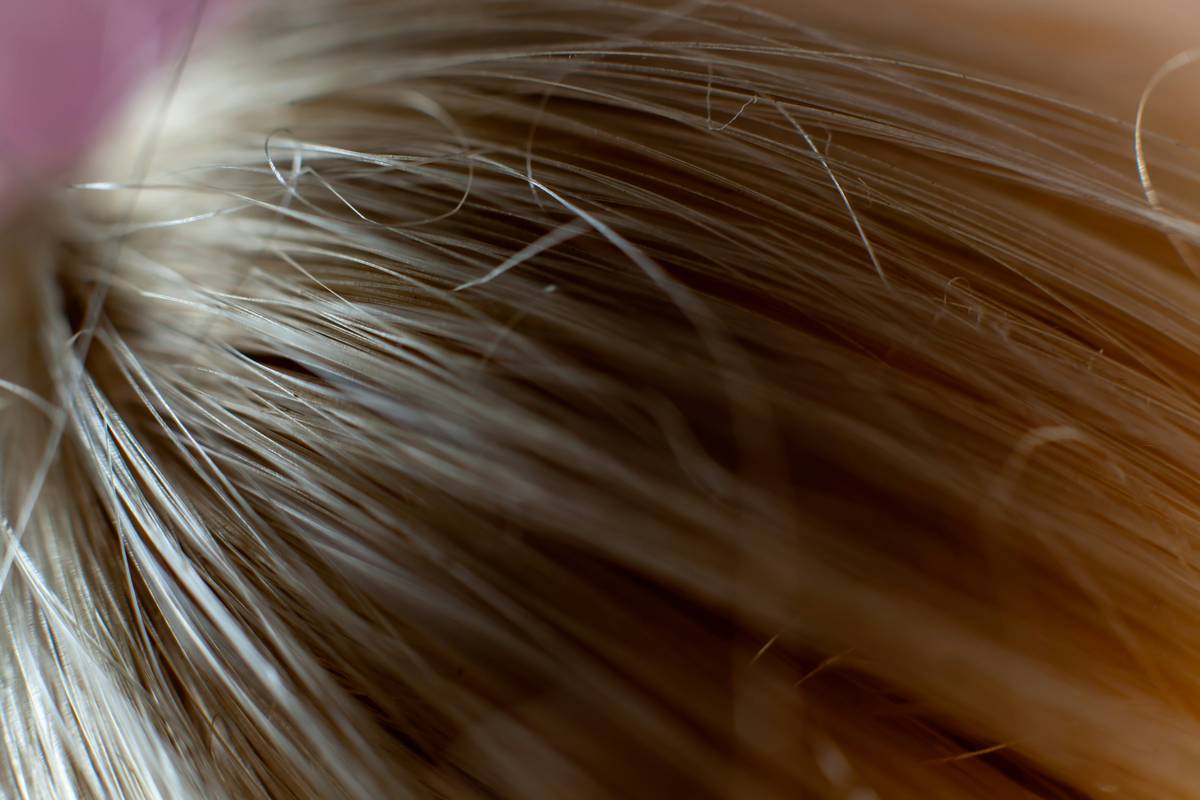
Most stylists focus on what’s on the hair. Pros focus on what the hair *is*. Human hair has overlapping cuticle scales—like roof shingles. When you twist against this grain (literally), you pry them open. Humidity rushes in. Frizz explodes.
But here’s what salons won’t tell you: pre-twist, run a boar-bristle brush lightly from root to tip—just once. It smooths raised cuticles downward without stripping oils. Paired with pH-balanced products (aim for 4.5–5.5), this creates a closed, reflective surface that resists moisture intrusion. That’s why some twists stay sharp for days while others dissolve overnight. It’s not magic. It’s micro-engineering.
Frequently Asked Questions
Can I get Frizz-Free Results without using heat?
Absolutely. Heat masks frizz temporarily but damages cuticles long-term. Proper twisting technique on correctly prepped hair delivers lasting smoothness—no blowout required.
Do silk pillowcases really help with hair twists?
Yes—but only as a secondary measure. If your twists aren’t sealed properly before bed, silk won’t save you. Fix the foundation first; silk is just insurance.
How often should I re-twist for Frizz-Free Results?
Every 4–5 days max. Over-manipulation causes mechanical frizz. Refresh roots with a targeted spritz of water + leave-in, then retwist only new growth—not the entire strand.